Adam and Joel
From the Archives
•
19-Nov-2013
A conversation between 2 friends, drinking beers, eating Combos, talking about everything, a spirited 5am social + political + religious, etc, etc., discussion. There's a jump cut every 2 or 3 seconds which takes some getting used to, but creates interesting gaps and leaps, and establishes momentum. The two friends, one Jewish, one African American, start with some sex talk, jump to some cultural heritage, land on some self-hate, get to some semantics, "white trash," "the holocaust." Director Theodore Collatos (who also directed the previous NoBudge selection, "Berlin Day to Night") simply documents the discussion, jump cuts being his only flourish, he knows how to get out of the way, to let the "actors" act. The whole thing feels spontaneous, like a feeling arose in a room, Collatos reached for whatever camera was around and filmed for hours, capturing two people at the end of a long night, locked in to an endless chatter (at worst) / discourse (at best), a time & situation that's never easy to get. The result is refreshing for its candor and lack of self-consciousness.
Up Next in From the Archives
-
ADA
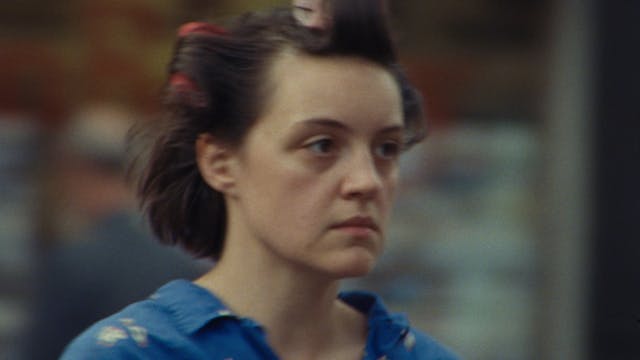
Ada is an unlikeable competitive walker who makes a dress out of toilet paper and has an unfortunate run-in with a hose. Eleanore Pienta’s “Ada” is a lighthearted silent comedy following the unpredictable antics of a peculiar woman making her way through crowded New York City streets. As she walk...
-
Ursula Promo
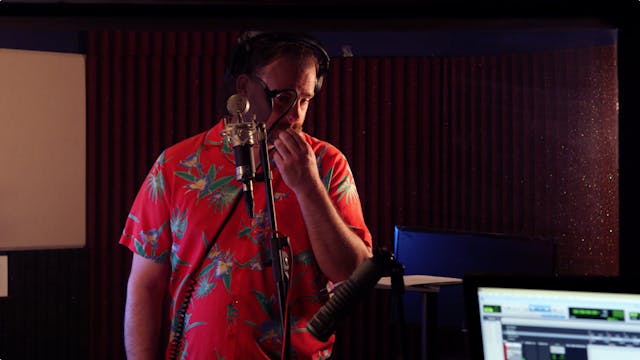
Technical issues abound as a voiceover artist attempts to record a local news spot about an upcoming storm. “Ursula Promo,” directed by Tyler Rubenfeld, is one, uninterrupted six minute shot of the man (played by Matt Hopkins, impeccable) trying to perfect his weather warning performance for the ...
-
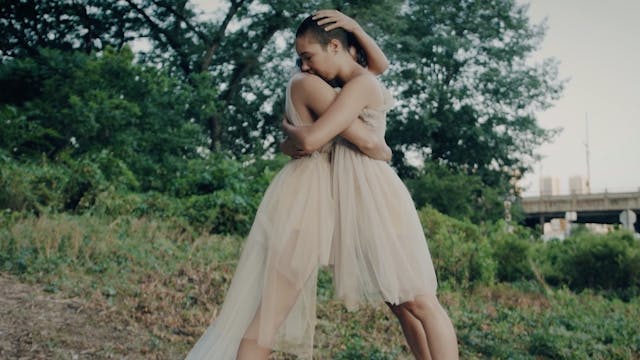
TWINS: You must be related!
In this experimental dance film, a pair of twin sisters aim to reconcile a sacred bond. “TWINS: You must be related!”, directed by Varya Rootwood and performed by India Gonzalez and Ananda Gonzalez, captures a mesmerizing and poignant dance routine that takes place on a median under a NYC bridge....